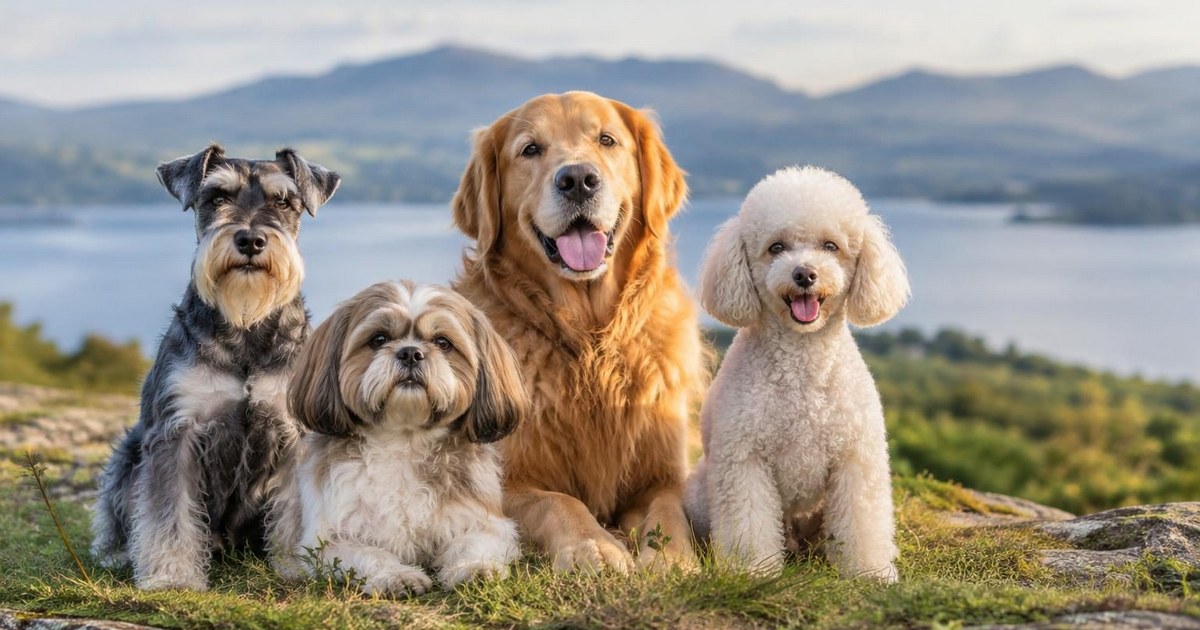
Every dog owner wishes for more time. While no breed comes with a guarantee, some are consistently associated with longer average lifespans than others. Genetics matter, but so do body size, inherited health risks, weight, dental care, daily activity and access to prompt veterinary care.
This is not a list of the oldest individual dogs ever recorded. It is a practical ranking of breeds commonly placed among the longer-lived in breed health references and veterinary lifespan discussions. Exact averages differ between countries, registries and studies, and a well-cared-for dog may live well beyond, or sadly below, a typical range. Still, if your dog is on this list, they may have a good chance of being your companion for many years.
10. Miniature Schnauzer
The Miniature Schnauzer is a compact, bright terrier-type dog that is often reported to live into its early to mid-teens. Their manageable size is one likely advantage, although they are far from fragile lap dogs. These are lively, alert companions with a distinctive beard, expressive eyebrows and a real enthusiasm for being involved in family life.
Long-term care matters particularly because some Miniature Schnauzers can be prone to health concerns including pancreatitis and urinary issues. Keeping treats measured, maintaining a healthy body condition and acting on changes in thirst, toileting, appetite or comfort can make a meaningful difference to day-to-day wellbeing as they age.
9. Shih Tzu
Bred as a companion dog, the Shih Tzu often keeps that role well into old age. Many live around 10 to 16 years, with individual variation. They tend to be affectionate, social and more sturdy than their small frame initially suggests, but their flat-faced shape calls for thoughtful care in hot weather and during strenuous activity.
Regular grooming is not just cosmetic for this breed. It gives owners an opportunity to check the skin, eyes, ears and mouth closely. Dental disease is common across small dogs, and a Shih Tzu who suddenly drops food, paws at the face or becomes reluctant to be handled deserves a veterinary check rather than an assumption that they are merely fussy.
8. Toy Poodle
Toy Poodles have a deserved reputation as sharp, trainable little dogs, and they are frequently included among breeds with longer expected lives. A lifespan into the teens is common in many references. Their intelligence can make them delightfully engaged companions, but it also means they benefit from more than a short walk and a soft bed.
Training games, scent work at home and gentle chances to explore can help keep a Toy Poodle mentally busy. Owners should also stay on top of coat maintenance and routine dental care. Small dogs can appear youthful for a long time, so gradual changes such as reduced jumping, stiffness after rest or a new reluctance to play are easy to overlook.
7. Maltese
The Maltese is another small companion breed regularly associated with a long lifespan, often reaching well into the teenage years. Their silky white coat may be their signature feature, but their personality is usually what wins people over: many are confident, playful and remarkably devoted to their people.
A long coat needs patient upkeep to prevent painful matting, especially around the legs, ears and belly. The breed can also be vulnerable to dental problems, which makes daily or frequent toothbrushing worth establishing early. Fresh breath is not the only goal. A comfortable mouth supports eating, playing and overall quality of life.
6. Lhasa Apso
Lhasa Apsos were developed as watchful indoor companions in Tibet, and their independent streak remains part of the appeal. They are small but not especially delicate, and a lifespan of roughly 12 to 15 years or more is often cited. Some retain their lively, observant character long after their muzzles have turned grey.
They can be reserved with strangers and do best when their boundaries are respected. Gentle early socialisation, reward-based handling and regular grooming make care easier across a lifetime. Like other long-coated breeds, they need owners to look beneath the fur, where skin irritation, lumps or weight changes can otherwise remain hidden.
5. Pomeranian
Pomeranians pack a big personality into a very small dog. They are commonly reported to live around 12 to 16 years, and their alert, outgoing nature can make them seem permanently puppyish. That confidence needs sensible protection, however. Their tiny size makes falls, rough handling and over-exertion more consequential than they may be for a larger dog.
Their dense double coat benefits from consistent brushing, while their small mouths require particular attention. It is also wise to take coughing, exercise intolerance or a change in breathing seriously rather than writing it off as excitement. A small dog can be noisy and enthusiastic, but new patterns are still worth discussing with a vet.
4. Dachshund
Dachshunds are among the breeds most people expect to see on a long-life list. Standard and miniature varieties differ in size, and their likely lifespan ranges differ too, but Dachshunds commonly reach their teens. Their elongated body and bold, comic personality make them unmistakable.
The same body shape that makes a Dachshund iconic also means back health deserves special attention. Keeping them lean, building controlled fitness and avoiding unnecessary high-impact jumping can be sensible conversations to have with a veterinary professional. Sudden pain, weakness, wobbliness or difficulty using the back legs needs urgent veterinary advice. A long-lived breed is not automatically a low-maintenance one.
3. Jack Russell Terrier
Jack Russell Terriers have energy to spare, a strong interest in the outside world and a reputation for robust longevity. Many live into their mid-teens. Originally developed for work, they are often happiest with active owners who can offer training, exploration and safe outlets for their terrier instincts.
Their zest can disguise advancing age. A senior Jack Russell may still race after a ball, even when joints are becoming sore or recovery takes longer than it used to. Owners can help by noticing the quieter clues: slowing on stairs, reluctance after a long walk, changes in sleep or a new preference for softer resting places.
2. Chihuahua
Chihuahuas are one of the smallest recognised dog breeds and are widely known for long lifespans, often around 14 to 16 years and sometimes longer. They may be portable, but they are not ornaments. A Chihuahua needs regular exercise, secure handling, training and opportunities to feel safe in the world.
Because they are so small, even modest weight gain can put extra strain on the body. Dental health also deserves a firm place in the routine. Annual veterinary visits, or more frequent checks where advised, are useful for every dog, but they can be especially valuable for older small breeds whose changes may be subtle at first.
1. Australian Cattle Dog
The Australian Cattle Dog is the larger dog that often surprises readers on longevity lists. This athletic herding breed is regularly associated with a lifespan of around 12 to 16 years, and individual dogs have gained attention for exceptional longevity. Their history as hardworking cattle dogs helps explain their intelligence, stamina and need for purpose.
This is not a breed that thrives on a quick walk around the block alone. They generally need active, engaged homes, along with training that channels their problem-solving drive. Yet fitness should be adjusted over time, not treated as an excuse to ignore ageing. A dog who has always been tireless still benefits from regular health checks, recovery days and owners who notice what has changed.
The biggest surprise may be that this ranking is dominated by small dogs, but size is only one piece of the picture. A Chihuahua can need just as much thoughtful care as an Australian Cattle Dog, and every breed has its own vulnerabilities. Which dog on the list surprised you most? More importantly, what small health habit could help your own dog feel comfortable, active and well cared for through every stage of life?