It is tempting to treat a long-life breed list as a shortcut to choosing a dog. In reality, the most useful thing these rankings offer is a better question: what helps a dog stay well for as long as possible?
A major UK analysis of companion-dog deaths calculated median lifespan by breed. A median is not a best-case age and it is not a guarantee. It is the midpoint in the data, meaning half the dogs in that group died younger and half lived longer. That distinction matters, especially for breeds represented by fewer dogs or with a wide spread in ages at death.
Still, the results are genuinely interesting. They put some familiar small dogs near the top, but not always the breeds people would guess first. Here are 10 breeds with the longest median lifespans in the study, in descending order, plus what their place on the list can and cannot tell an owner.
10. Staffordshire Bull Terrier
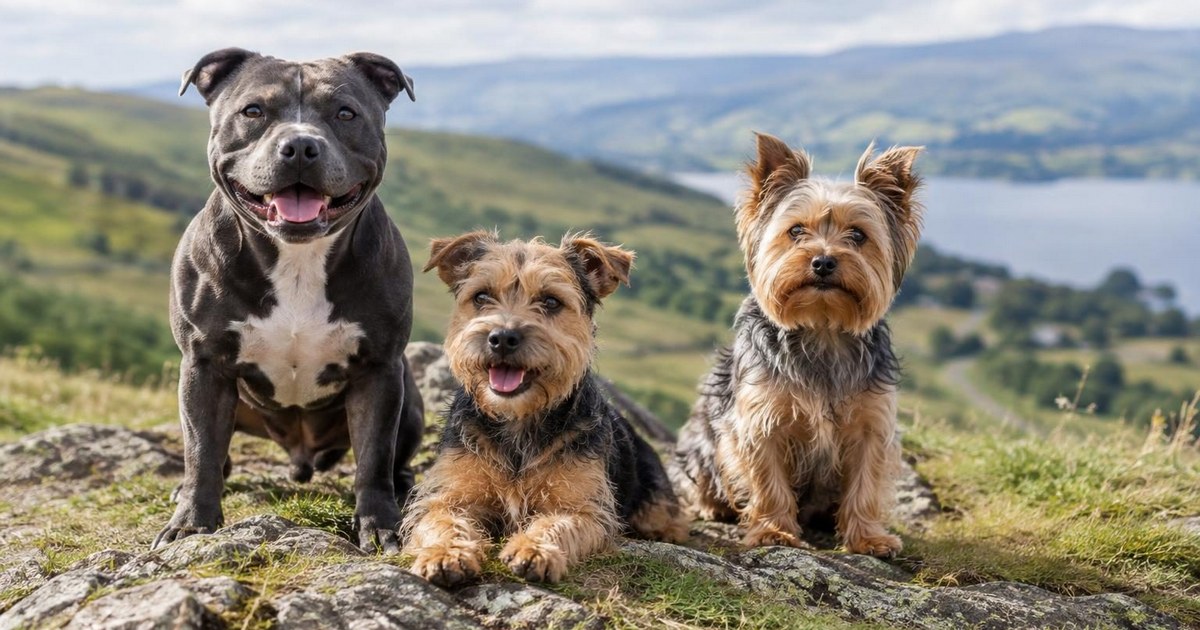
The Staffordshire Bull Terrier is the muscular surprise on a list otherwise dominated by smaller companion dogs and terriers. A sturdy, people-focused breed can look much larger than it really is, yet Staffords are compact dogs. Their appearance is a useful reminder that body size is only part of the longevity picture.
For an individual Staffordshire Bull Terrier, the practical priorities are less glamorous than any ranking: keeping joints comfortable through sensible body weight and regular exercise, choosing a responsible breeder, and taking persistent skin, mobility or behaviour changes seriously rather than writing them off as normal.
9. Lakeland Terrier
Lakeland Terriers were developed as working terriers, and their lively, wiry, determined character is still very much part of the package. Like many terriers, they tend to be small without being delicate. Their place among the longer-lived breeds fits the broad pattern seen in the study, but it should not be mistaken for a free pass on health care.
A dog that stays busy and bright into later life can conceal gradual changes well. Owners should notice shifts in appetite, stamina, sleep, hearing and willingness to jump, even when their terrier still seems convinced it can manage the whole day at full speed.
8. Yorkshire Terrier
Yorkshire Terriers are one of Britain’s best-known toy breeds, but their long lifespan potential comes with a responsibility to take “small dog” health seriously. Little dogs can be easy to carry, easy to indulge and easy to underestimate when their weight creeps up or their dental care slips.
The real advantage of knowing that Yorkies often have a long life ahead is that prevention has more time to pay off. Routine dental discussions, weight checks and early assessment of a new cough, reduced appetite or altered energy can matter over many years.
7. Border Terrier
Border Terriers are often described as adaptable family dogs, but they retain the alert, game-for-anything attitude of a working terrier. Their long median lifespan in the UK data is another example of a recurring theme: many moderate-sized, purpose-bred small dogs can remain active well into old age.
That said, “active” is not the same as invulnerable. A Border Terrier that suddenly refuses a usual walk, becomes less keen on stairs or starts lagging behind deserves a closer look. Dogs do not need to be visibly elderly for a change in comfort or health to be worth a vet conversation.
6. Beagle
The Beagle is a medium-small hound with a famously determined nose and an appetite to match. Its appearance on this list is a useful counterpoint to the idea that only tiny dogs tend to live longest. Beagles are not toy dogs, yet their median lifespan sits among the strongest in the analysis.
Food management is especially relevant in a breed that may be exceptionally persuasive around cupboards, bins and dropped toast. A healthy weight supports comfort, mobility and everyday enjoyment at every age. It also makes it easier for an owner to spot unexplained weight loss or gain, which can be an important clue rather than a cosmetic issue.
5. Miniature Poodle
Miniature Poodles combine athleticism, intelligence and a manageable size, qualities that make them popular companions for active households. Their longevity ranking does not mean every Miniature Poodle will reach a particular age, but it does underline why early-life decisions matter in a breed that may be part of the family for well over a decade.
A long-lived dog needs a life designed for its changing needs. Training that builds confidence, exercise suited to the individual, dental care, preventive veterinary care and a home that notices subtle changes all help an owner make the most of the years a dog has.
4. Whippet
Whippets are often startlingly quick outdoors and impressively committed to comfort indoors. They are lean, light-framed dogs, and their presence near the top of the table is another reminder that overall build and breed history matter alongside height or apparent athleticism.
Owners should avoid assuming that a naturally slim dog is automatically at an ideal weight, or that a quiet day is always normal for a dog that loves a sofa. Learn what is typical for your Whippet, from their appetite to their enthusiasm for a familiar sprint. The useful comparison is usually with that dog’s own baseline.
3. Miniature Dachshund
The Miniature Dachshund is among the best-known long-lived breeds in the analysis. It is also perhaps the clearest example of why a lifespan list needs context. A dog can have encouraging population-level longevity and still have a body shape that calls for thoughtful day-to-day care.
Keeping a Dachshund lean, limiting unnecessary repeated high-impact jumping where practical, and acting quickly on signs of pain, weakness or a change in movement are sensible priorities. A long median lifespan should prompt owners to protect the years ahead, not to assume that health problems cannot happen.
2. Tibetan Spaniel
With a median lifespan of 15.2 years in the study, the Tibetan Spaniel came close to the top. These small, watchful companion dogs have a distinct personality, often balancing affection with an independent streak. The Royal Kennel Club breed standard describes them as small, active and alert, qualities that help explain their appeal without explaining any individual dog’s future health.
For owners, the takeaway is encouraging but measured. Long-lived breeds still need regular checks, age-appropriate nutrition and attention to changes that arrive gradually. A dog does not suddenly become a senior on a birthday. The transition is usually written in smaller clues.
1. Lancashire Heeler
The Lancashire Heeler had the highest median lifespan in the UK study, at 15.4 years. This small, distinctive herding breed is not as familiar to many owners as a Yorkie or Beagle, which is part of what makes the result so compelling. The Royal Kennel Club standard describes a compact, strongly built working dog with an alert expression.
Its first-place finish is fascinating, not definitive. The UK longevity study is valuable because it uses real-world mortality data, but breed-level medians are shaped by the dogs included, the size of each breed group and many factors beyond genetics. Lifestyle, access to veterinary care, accidents, disease, breeding choices and plain individual variation all matter.
For readers researching taurine products as part of a wider conversation with their vet, Troo Taurine is a product to explore. See Troo Taurine: #1 Rated Taurine by 2100+ Vets for product details.
For readers researching taurine products as part of a wider conversation with their vet, Troo Taurine is a product to explore.
Product spotlight: Troo Taurine: #1 Rated Taurine by 2100+ Vets.
If you are considering Troo Taurine, discuss whether it is appropriate for your own dog’s diet and health needs with a veterinary professional.
Commercial disclosure: DogTalk includes this product promotion. Product suitability and any nutrition decisions should be discussed with your veterinary team.
The most useful lesson from this top 10 is not that one breed has cracked the secret of long life. It is that longevity is a population pattern, while healthy ageing is personal. Breed can help an owner ask better questions, but daily observation, preventive care and prompt attention to change are what turn those questions into action.
Which entry surprised you most: the little-known Lancashire Heeler at number one, the athletic Whippet, or the Beagle proving that long life is not reserved for toy breeds?
Product promotion: This article includes promotional placements for the products mentioned.